

Quiet Luxury, Curated: Color Palettes for Small Living Rooms and Bedrooms

Today we explore curated color palettes for quiet luxury in small living rooms and bedrooms, celebrating nuance, restraint, and tactile richness. Expect layered neutrals, soft contrasts, and gentle undertones that calm without ever feeling flat. We will share practical palettes, stories from real compact spaces, and lighting tips that protect color integrity. Save favorites, ask questions, and tell us your room’s size, light direction, and flooring so we can guide your next elegant, understated refresh.

The Essence of Quiet Luxury in Color

Quiet luxury favors considered palettes where saturation bows to subtlety and finishes carry as much weight as pigment. Instead of shouting, these schemes whisper with depth, relying on undertones, softened contrast, and refined textures. In compact rooms, this approach brings calm visual flow, longer sightlines, and a perception of generosity. Think of color as a tailored suit: perfect fit, flawless stitching, and a fabric you want to touch. Share your most trusted neutral and why it never lets you down.

Small Living Rooms: Palettes that Breathe

Compact lounges thrive on cohesive color stories that stretch sightlines without sacrificing personality. Choose three to four tones that stay within a narrow bandwidth of contrast, then inject a single low-sheen accent for definition. Match or closely relate trim to wall color to dissolve boundaries and make ceilings feel taller. Float furniture, keep legs airy, and echo colors across textiles. Drop your room measurements, window orientation, and existing sofa color and we’ll scale a palette that feels gracefully expansive.

Feathered Greige, Chalky White, and Soft Brass

A feathered greige envelope on walls, chalky white on ceiling and shelves, and soft brass accents create a luminous hush. The near-tonal moves keep corners calm while brass introduces a restrained sparkle that reads luxurious, not loud. Add a nubby wool rug and bone linen drapery for tactile depth. If your sofa is charcoal, downshift greige slightly warmer to soften edges. Share a photo of your lighting at dusk and we’ll fine-tune the greige to avoid flatness.
Stone, Smoke, and Gentle Soft-Black Framing

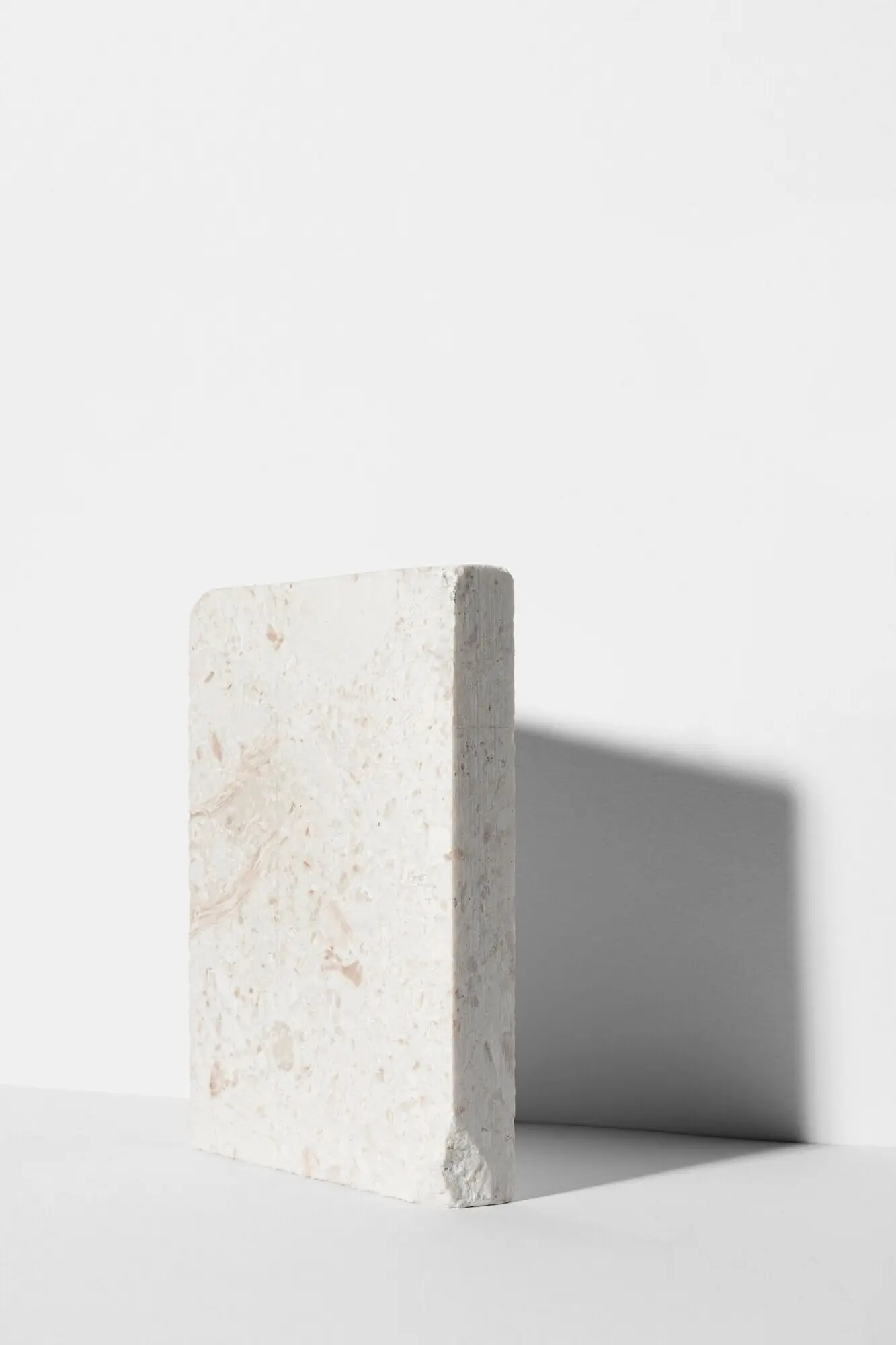
Stone-colored upholstery paired with smoke-gray walls and selective soft-black lines—frame, lamp base, or slim shelf—creates elegant definition without heaviness. Soft-black works best in matte, so it behaves like shadow rather than outline. A travertine side table stabilizes the palette with natural movement. Keep art frames slim and dark for continuity. If your room is north-facing, introduce a warm gray throw to counter cool daylight. Tell us your wall sheen and we’ll recommend adjustments to preserve velvet-like diffusion.

Powdered Sage, Warm Linen, and Bone

A whisper of powdered sage on built-ins, warm linen on walls, and bone white on ceiling yields a fresh, restful living space that feels quietly botanical. The green acts as an accent without reading “colorful,” especially when paired with bleached oak and creamy boucle. Brass or bronze works equally well here; choose based on evening light temperature. Use ribbed glass to diffuse lamp glow. Post your floor tone—cool gray or warm wood—and we’ll calibrate sage depth for harmony.


Serene Bedrooms: Palettes that Soothe

Oyster, Taupe, and Candlelight Gold

Oyster walls wrap the room in a pearl-like calm; taupe textiles and headboard introduce human warmth; candlelight gold in a picture light or knob adds intimate shimmer. Keep drapery lining dim-out to maintain evening tone consistency. A silk-blend duvet cover reflects softness, while matte lampshades prevent hotspots. If your carpet skews cool, pull taupe slightly mushroom to bridge temperatures. Tell us your lamp bulb specs and we’ll tune gold accents so they glow without going brassy.

Blue-Gray, Porcelain, and Walnut

A blue-gray shell, porcelain bedding whites, and walnut furniture deliver a composed, coastal-adjacent calm that resists cliché. The wood anchors the palette, preventing the blue from turning chilly, especially in morning light. Opt for satin walls to retain touchable depth. Add a hand-knotted rug with low-contrast pattern for quiet movement. If your room faces north, warm the blue with a drop of green-gray. Share a snapshot at sunrise, and we’ll propose lamp temperatures to balance the cool cast.

Mauve Smoke, Ecru, and Vintage Brass

Mauve smoke walls whisper sophistication, ecru linens lighten the bedscape, and vintage brass bedside lights lend romance without saccharine notes. This palette flatters diverse skin tones and thrives under warm-dim controls. Keep art monochrome or sepia to sustain the hushed mood. A velvet cushion in deeper plum introduces subtle depth. If your closet doors dominate, paint them wall color to vanish visual bulk. Comment with your ceiling height, and we’ll advise the best mauve value for cozy proportion.

Layering Textures to Elevate Color

In small spaces, texture can do the heavy lifting of contrast while color remains harmonized. Combine matte walls with brushed metal, soft wool, washed linen, and honed stone for a low-gloss, high-tactility equation. Keep one hero texture per zone to avoid visual chatter. Repetition builds rhythm: linen shade echoes linen drape, boucle ottoman echoes boucle cushion. Share two textures in your room you can’t part with, and we’ll recommend a third that harmonizes without crowding the palette.

Matte and Satin: The Quiet Conversation

Matte finishes absorb light, deepening color and softening edges; satin adds a gentle bounce that keeps compact rooms from feeling dull. Pair matte walls with satin trim for subtle articulation that doesn’t slice sightlines. Furniture can mirror this balance: velvety upholstery against a satin-finished wood leg. Avoid high gloss unless used sparingly on a single small object. Tell us your current paint sheen and furniture finish, and we’ll suggest a sheen mix that enhances serenity.

Natural Fibers and Calm Wood Tones

Linen, wool, jute, and silk-blends register as colors because they shift under light, inviting touch and depth. Choose wood tones with soft grain—white oak, walnut, or ash—finished in oil or low-sheen lacquer for believable warmth. Repeat fibers across planes: a linen lamp shade, linen drape, and linen cushion create a visual handshake. If your flooring is cool, add a woven rug with warm flecks. Share your floor species, and we’ll pair a wood tone and fiber that sings.

Lighting Strategies for True Color

Color fidelity is everything in quiet luxury. Test in real conditions, then layer light for mood without sacrificing accuracy. Aim for a triangle of sources—ceiling, wall, and table—in warm, high-CRI bulbs that honor textiles and paint. Use dimmers to orchestrate evening softness, and avoid blue-cast bulbs that flatten nuance. In daylight, sheer drapery filters glare while preserving tone. Share your window exposure and bulb specs, and we’ll refine a light plan that keeps your palette honest.

Map Daylight and Sample Generously

Before painting, place large color boards on each wall and observe them across morning, noon, and evening. Photograph in phone’s neutral mode to avoid artificial saturation. North light cools; south can wash out; west warms late. Adjust with undertone tweaks rather than new colors. Sheer curtains may shift white balance; account for fabric tint. Post your observations and room photos, and we’ll advise micro-adjustments so your chosen neutral stays elegant from sunrise to bedtime.

Layered Warm-Dim for Evenings

Evening light should cradle, not glare. Combine a warm-dim ceiling source with translucent-shaded table lamps and a picture light over artwork for a halo effect. Keep temperatures consistent—within 200K—to avoid patchy color reading. High CRI preserves nuanced fabrics and wood grain. Hide bulbs from direct view to reduce hot spots. If your room feels flat at night, add a wall wash that kisses texture. Tell us your current lamp mix and we’ll prescribe an elegant layering tweak.

Art, Rugs, and Accents: Finishing Notes

Once walls and major furnishings set the tone, finishing elements refine the melody. Art should serve as a soft focal point, rugs as grounding planes, and accents as rhythmic echoes. Keep patterns hushed, scale deliberate, and repetition intentional. Consider scent as part of the palette—woody, mineral, or linen-clean—to reinforce mood. Edit relentlessly: every object must earn its place. Share a photo of your largest wall or rug, and we’ll calibrate color, scale, and framing for balance.
Kipotofikapirohoreviva
Privacy Overview

This website uses cookies so that we can provide you with the best user experience possible. Cookie information is stored in your browser and performs functions such as recognising you when you return to our website and helping our team to understand which sections of the website you find most interesting and useful.